FHHRN
FHHRN

The Prince of Wales visited Ilminster in Somerset today to launch Ready Together, a new National Emergencies Trust toolkit designed to help communities throughout the UK prepare for emergencies including floods and wildfires.
As patron of the trust, Prince William took part in the launch alongside BBC Traitors star Ross Kemp, local volunteers and young people. The engagement included a practical training exercise in which participants worked through simulated emergency situations.
William’s Somerset engagement came after a visit to Hereford the previous week and highlighted the role local communities can play in becoming better prepared for increasingly frequent extreme weather events.
Ilminster was selected to host the launch because the community is already demonstrating this approach. Residents and local organisations have been working together to improve emergency preparedness and provide greater protection for vulnerable people when crises occur.

Created by the National Emergencies Trust and informed by extensive research from Nottingham Trent University, the Ready Together toolkit has been designed with flexibility in mind. Communities of all sizes can adapt its guidance according to the particular emergencies and challenges they are most likely to face.
During the practical exercise, Prince William joined participants in working through several simulated crisis situations. The scenarios demonstrated how local knowledge, trusted relationships and networks that already exist within neighbourhoods can become crucial when an emergency causes serious disruption.
Rather than asking communities to establish entirely new systems, the initiative focuses on identifying and making better use of the skills, connections and resources that local groups already have at their disposal.
Research behind the project revealed a notable gap between people’s willingness to help and their preparedness to act. Although most respondents said they would want to support neighbours during an emergency, far fewer felt their communities had sufficient plans or organisational structures in place to coordinate that assistance effectively. Ready Together was developed to help transform that willingness into practical, organised preparedness.

Prince William also met volunteers from the Ilminster Area Resilience Group, a local network created to provide assistance to residents when emergencies occur, including during the serious flooding the area has experienced.
Local community figures and business owners who helped residents through recent bouts of extreme weather spoke with the Prince about their experiences. They discussed what inspired them to volunteer and explained why detailed knowledge of the local area can make such a significant difference when communities are responding to a crisis.
William later visited Sweet Surprise, a café where adults with learning disabilities are given opportunities to build valuable skills while playing an active role in their community. Staff described the support the café has provided to vulnerable residents and highlighted how familiar community spaces can become vital sources of assistance during severe weather and other difficult periods.
The Prince concluded his visit at Ilminster Fire Station. There, he met members of the Devon and Somerset Fire and Rescue Service, alongside representatives from partner organisations working to help communities become more resilient and better prepared for future extreme weather events.
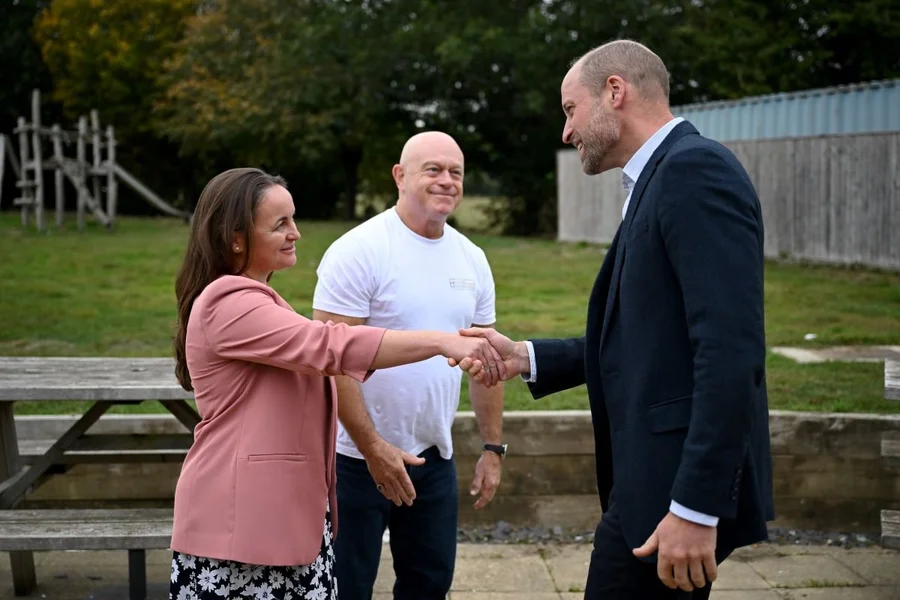
During his time at the fire station, Prince William was shown advanced mapping and forecasting tools being used by emergency services to identify areas at greater risk from wildfires and strengthen preparations as the threat increases across the region.
The Prince also learned about efforts to build stronger links between fire and rescue services, residents, farmers and landowners. By working more closely together, these groups are helping communities protect people, neighbouring properties and the wider countryside from the impact of extreme weather and fires.
Fire and rescue personnel explained that their work increasingly involves passing specialist expertise on to rural communities before emergencies happen. The approach is intended to improve local preparedness and reduce dependence on responding only after a serious incident has already developed.
William also spent time speaking with local firefighters who had taken part in recent emergency response operations.